Windows VPN: How to Set It Up and Choose a Provider
Learn what Windows VPN settings do, how to connect, and how to choose a trustworthy VPN service for your PC.
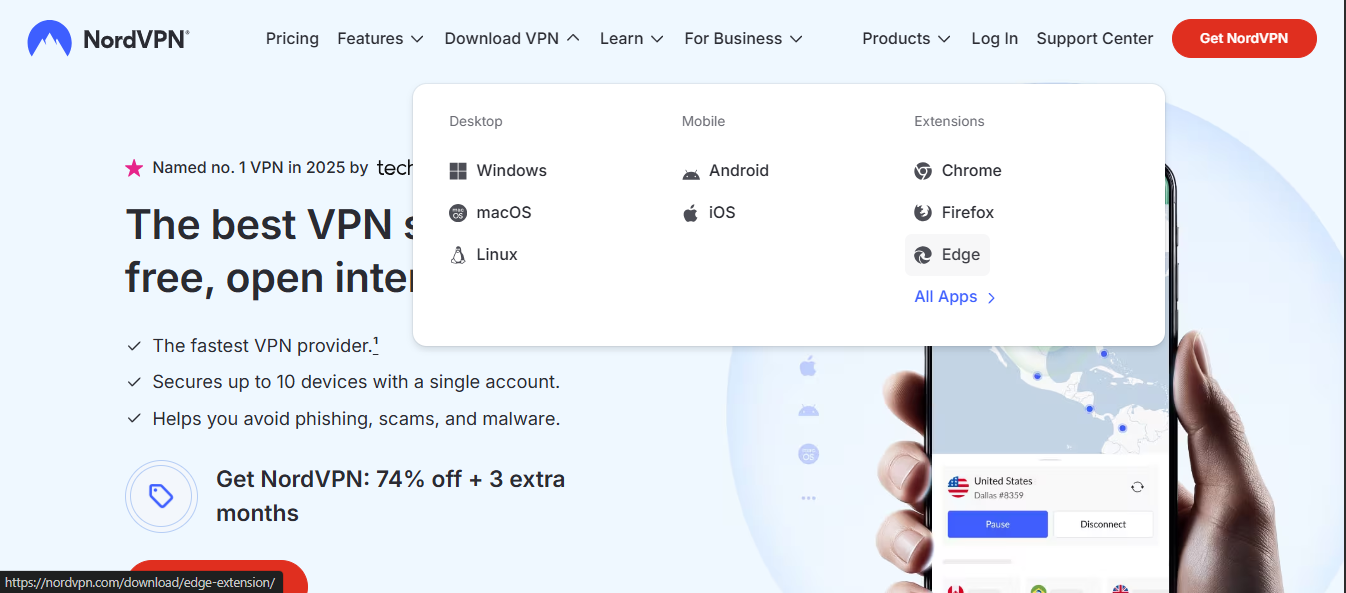
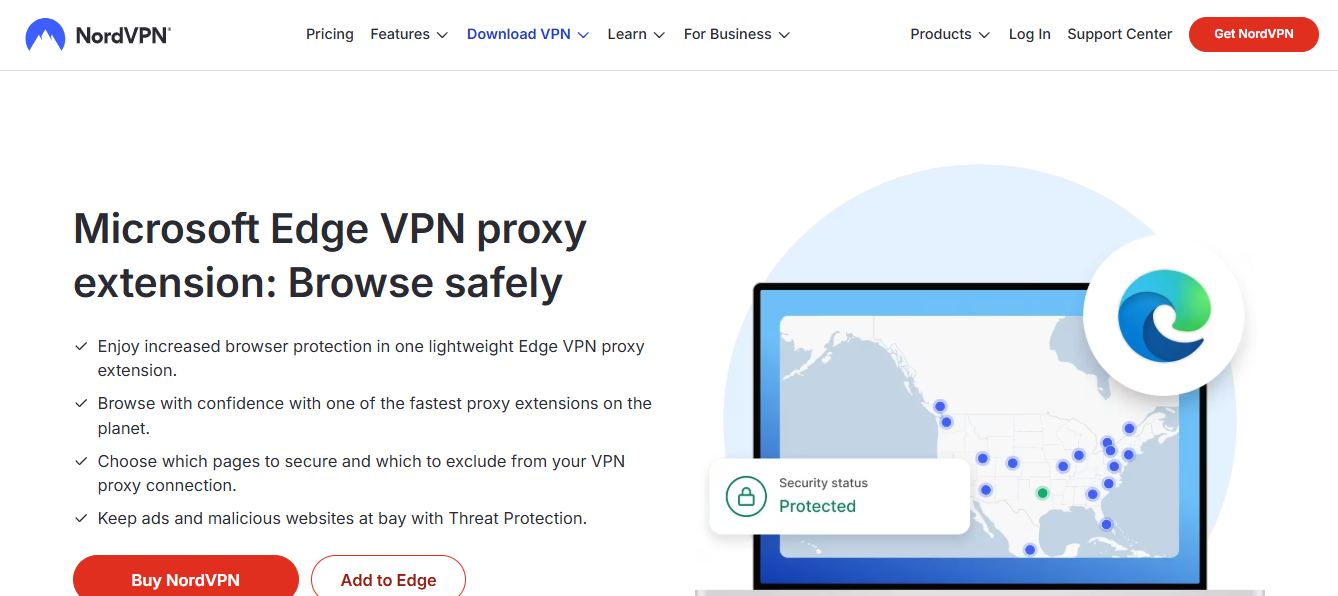
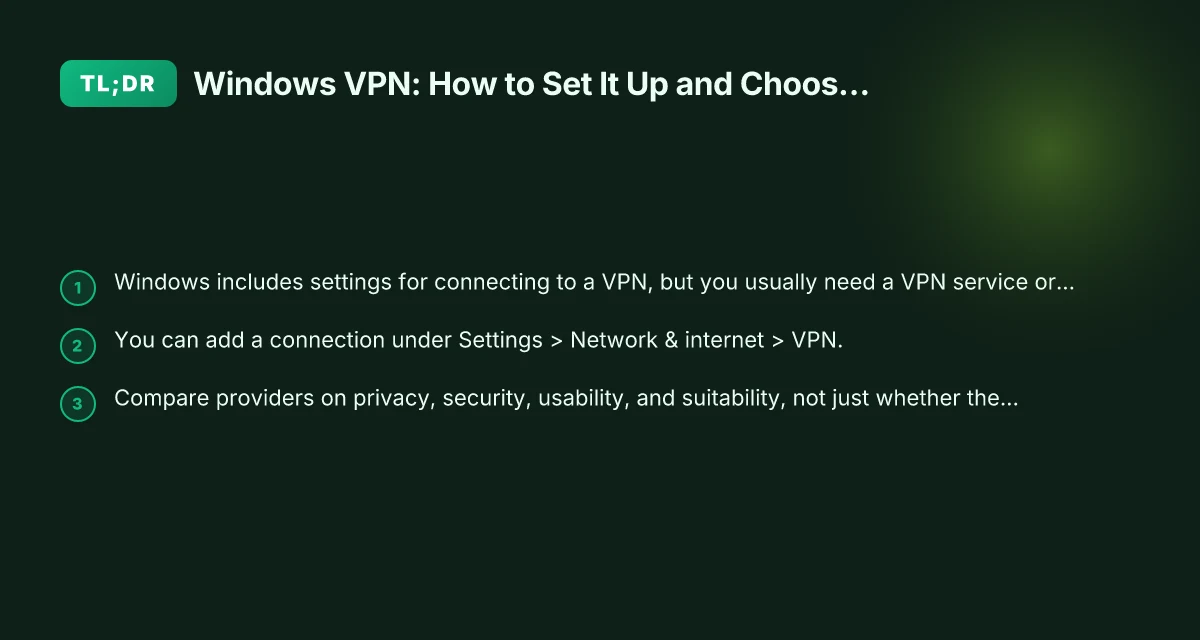
A Windows VPN can help protect your internet traffic on untrusted networks, connect you to a workplace network, or route your connection through a VPN provider. Windows includes tools to configure and manage VPN connections, but those settings are not themselves a VPN service. To get connected, you generally need details from your employer or school, or an account with a VPN provider.

Editor's pick: NordVPN — fast, secure VPN — Strong encryption, a no-logs policy and apps for every device. 30-day money-back guarantee. Get NordVPN →
Compare Windows VPN setup methods
| Method | What you need | Setup | Server choice | Best for |
|---|---|---|---|---|
| Windows built-in VPN | VPN account and connection details | Enter details in Settings | Depends on provider | Manual setup |
| Provider app | VPN subscription or account | Install app and sign in | Usually in the app | Quick setup |
| Built-in connection | VPN server address and protocol details | Configure each connection | Selected during setup | Users with supplied settings |
| Provider app connection | Provider app and internet access | Choose a server in the app | Usually a server list | Switching locations |
| Built-in reconnect | Configured VPN connection | Connect from Windows settings | Uses configured server | Basic connection control |
| App features | Provider app | Enable available options | Varies by provider | Additional VPN controls |
Compiled November 2026; check the provider's site for current details.
| VPN | Obfuscation | From / month | Plan | Free plan | Refund | Alipay | UnionPay | Crypto | Website opens in China | Trustpilot | |
|---|---|---|---|---|---|---|---|---|---|---|---|
 Proton VPN | Turn on manually Stealth, free plan too | $2.99/mo | 12 months: $35.88 | Yes | 30 days | ✗ | ✗ | ✗ | ✓ | ✗ Blocked | 2.1/5 (1,040 reviews) |
 ZoogVPN | Turn on manually Shadow | $2.49/mo | 27 months: $59.99 | Yes | 7 days | ✓ | ✓ | ✓ | ✓ | Official site blocked; our special link opens (4.4 s) | 4.2/5 (195 reviews) |
 NordVPN | Turn on manually Obfuscated Servers / NordWhisper | $3.49/mo | 27 months: $94.23 | No | 30 days | ? | ✗ | ✓ | ✓ | ✗ Blocked | 4.2/5 (51,628 reviews) |
 ExpressVPN | ✓ On by default all servers | $3.00/mo | 28 months: $84 | No | 30 days | ✗ | ✗ | ✓ | ✗ | ✗ Blocked | 4.4/5 (29,706 reviews) |
 Surfshark | ✓ On by default Camouflage, with OpenVPN | See site | See site | No | 30 days | ✗ | ✗ | ✗ | ✓ | ✗ Blocked | 4.3/5 (31,823 reviews) |
 Astrill VPN | Turn on manually StealthVPN / OpenWeb | $12.50/mo | 24 months: $300 | No | See site | ✗ | ✗ | ✗ | ✓ | ✗ Blocked | 1.3/5 (110 reviews) |
 Private Internet Access | Turn on manually Shadowsocks, OpenVPN only | $2.03/mo | 40 months: $81.2 | No | 30 days | ✗ | ✗ | ✗ | ✗ | ✗ Blocked | 4.2/5 (11,033 reviews) |
 CyberGhost | Turn on manually selected servers | $2.19/mo | 28 months: $61.32 | No | 45 days | ✗ | ✗ | ✗ | ✓ | ✗ Blocked | 4.0/5 (24,178 reviews) |
 PureVPN | Turn on manually switch to OpenVPN | $1.69/mo | 60 months: $101.55 | No | 31 days | ? | ? | ✗ | ✓ | ✗ Blocked | 4.4/5 (17,994 reviews) |
 AdGuard VPN | ✓ On by default TrustTunnel | $2.99/mo | 24 months: $71.76 | Yes | 30 days | ✓ | ✗ | ✓ | ✓ | Official site blocked; our special link opens (3.7 s) | 4.3/5 (290 reviews) |
 Mullvad | Turn on manually QUIC / Shadowsocks / LWO | $5.61/mo | €5/mo | No | 14 days | ✗ | ✗ | ✗ | ✓ | ✗ Blocked | 3.2/5 (192 reviews) |
 Windscribe | Turn on manually Stealth / WStunnel | $5.75/mo | 12 months: $69 | Yes | See site | ✗ | ✗ | ✗ | ✓ | ✗ Blocked | 4.7/5 (13,355 reviews) |
 StrongVPN | Turn on manually Scramble, OpenVPN TCP | See site | See site | No | 30 days | ✓ | ✗ | ✗ | ✗ | ✗ Blocked | 4.4/5 (2,695 reviews) |
 LightXtreme 闪连 | Not listed | $7.08/mo | 12 months: $84.99 | Yes | 30 days | ✓ | ✓ | ✓ | ✓ | ✓ Yes (3.5 s) | No page |
Prices checked 2026-11-10 on each vendor's pricing page (cheapest long plan, USD). Check the vendor's checkout for the final price.
Obfuscation checked 2026-11-14 on each vendor's site and help center: "on by default" = nothing to set; "turn on manually" = switch protocol or mode in settings; "not listed" = the vendor describes no obfuscation.
Payment methods checked 2026-11-10 on each vendor's payment pages: all 14 take cards and PayPal; ✗ = not listed, ? = the vendor's own pages disagree.
China access: whether the official website opens from mainland China networks (tests the website only, not the VPN connection). Last checked 2026-11-18 01:02 Beijing time.
Trustpilot score and review count checked 2026-11-10.
What is a Windows VPN?
A virtual private network (VPN) creates an encrypted connection between your device and a VPN server or private network. When you connect through a commercial VPN, websites and online services generally see the VPN server’s IP address rather than your device’s usual public IP address. A work VPN can instead provide secure access to an organization’s internal resources.
A VPN is not a complete privacy solution. It does not make you anonymous, prevent every form of tracking, or automatically protect you from malware and phishing. The VPN provider may also be able to see certain information about your connection, so its privacy practices matter.
Does Windows have a built-in VPN?
Windows has built-in VPN settings for adding and managing connections. However, these settings do not provide a VPN subscription or automatically connect you to a commercial VPN server. You must obtain connection details from a VPN provider, employer, or school.
Some providers offer a dedicated Windows app. This is often the simplest option because the app can handle the provider’s server list and connection settings. You can also configure a compatible service manually through Windows. Free VPN for Microsoft Edge: What Works and What to Know
How to set up a VPN in Windows
To add a connection using Windows settings:
- Open Settings.
- Select Network & internet, then VPN.
- Choose Add VPN or Add a VPN connection.
- Enter the connection information supplied by your provider or organization.
- Save the connection, select it, and choose Connect.
The exact fields depend on the service and connection type. You may need to enter a server address, VPN type, sign-in method, and account details. Use the information provided by your organization or VPN provider rather than guessing.
To connect through a provider’s Windows app, download it from the provider’s official website or another trusted source, install it, sign in, and select a server. Follow the provider’s instructions if it recommends using its app instead of Windows’ manual settings.
If the connection does not work
Check that your internet connection is active and that the server address and sign-in details are correct. For a work or school connection, contact the organization’s IT team. It may require a particular configuration or account. For a commercial service, consult its setup guide or support team. Edge Secure Network VPN Review: Is Microsoft Edge’s VPN Worth Using?
Windows settings or a provider app?
Both approaches can connect a Windows PC to a VPN, but they serve different needs. A built-in connection is useful when you have the correct configuration details and want to manage the connection through Windows. A provider app is often more convenient for personal use, especially when you want to switch among the provider’s servers.
| Option | Best suited to | What you need |
|---|---|---|
| Windows VPN settings | Work, school, or a service that provides manual configuration | Server and sign-in details from the organization or provider |
| VPN provider’s Windows app | Personal use and easier access to a provider’s features | An account with the provider and its Windows app |
Check whether the provider supports Windows and whether its app includes the features you want. Proton VPN, for example, offers a Windows app described by the provider as open source. Other providers also offer apps for Windows PCs and laptops. Review each provider’s current service details before choosing.
Choose a VPN for Windows
| Criterion | What to check | Why it matters | Compare providers by |
|---|---|---|---|
| Windows support | Compatible app or setup instructions | Determines whether it works on your device | App support and setup clarity |
| Privacy policy | What data is collected and retained | Shows how the provider handles your information | Policy detail and transparency |
| Security features | Encryption and connection protections | Helps protect traffic on the VPN connection | Features offered |
| Server locations | Locations available to you | Affects location choice and access | Location coverage |
| Performance | Speed and connection reliability | Affects browsing and other online tasks | Your own tests |
| Ease of use | App design and setup steps | Makes routine connections simpler | Interface and instructions |
| Pricing | Plan terms and renewal details | Helps you understand the overall cost | Full plan terms |
| Support | Help articles and customer assistance | Useful when setup or connection issues arise | Support options |
Compiled November 2026; check the provider's site for current details. FortiClient VPN Windows 11: Install, Connect, and Troubleshoot
How to choose a VPN for Windows
A good choice depends on why you need a VPN. For work, use the service and instructions supplied by your organization. For personal browsing, look beyond the word “free” or a simple one-click setup.
Consider these points:
- Privacy policy: Find out what connection or activity data the provider collects and how it handles that information.
- Security: Check which security features and connection options are available for Windows.
- Ease of use: An app with clear connection controls may be easier than manual setup.
- Transparency: Look for clear company information and documentation about the service.
- Support: Make sure setup guides and help are available for your version of Windows.
- Your intended use: Streaming, travel, public Wi-Fi, and work access can call for different features.
Free VPNs vary. Some may impose limits or use business models that are not a good fit for your privacy expectations. Read the service’s terms and privacy policy before installing it, and download software only from a source you trust.
What a VPN can, and cannot, protect
A VPN can encrypt the connection between your device and the VPN server, which can be useful when you are using public Wi-Fi. It can also change the IP address that websites see to the address of the VPN server. These protections depend on the VPN working correctly and on the provider’s security practices. Urban VPN Proxy Edge: What It Is and How to Use It Safely
A VPN does not guarantee that nobody can monitor your online activity. Websites may still identify you through account logins, cookies, or other tracking methods. Your internet provider may see that you are using a VPN, while the VPN provider handles your connection instead. A VPN also does not replace antivirus protection, software updates, or careful handling of suspicious links.
Understand what a VPN can protect
| Situation | VPN protection | What it does not guarantee | What to check |
|---|---|---|---|
| Traffic on a VPN connection | Encrypts traffic between your device and VPN server | Protection beyond the VPN server | Provider security practices |
| Public Wi-Fi use | Helps shield traffic from local network observers | Safety from every online threat | Secure connection status |
| IP address visibility | Websites generally see the VPN server’s IP | Anonymity or identity concealment | VPN connection status |
| Provider visibility | Shifts some traffic visibility to the VPN provider | That the provider cannot see any data | Privacy policy |
| Malware or phishing | Does not replace antivirus or safe browsing | Blocking every malicious site or file | Separate security tools |
| Account tracking | Does not prevent sign-ins from identifying you | Anonymity while logged into accounts | Account and browser settings |
| Windows connection setup | Configures a VPN connection | A guarantee that the VPN is connected | Connection status in Windows or the app |
Compiled November 2026; check the provider's site for current details.
Recommendation
For a workplace or school connection, use the configuration provided by its IT team. For personal use, choose a reputable provider with a Windows app and clear privacy information, then install it from the provider’s official source. Use Windows’ built-in VPN settings when you have the exact connection details and prefer to configure the connection yourself. Urban VPN Proxy Extension: Features, Setup, and Safety Considerations